CASE BACKGROUND
Plaintiff and members of the Class are individuals and entities who purchased HVAC equipment directly from defendants, comprised of the leading HVAC equipment manufactures in the United States: Trane, Carrier, Daikin, Bosch, Lennox, Rheem, and AAON. Defendants control over 90% of the U.S. market for HVAC equipment.
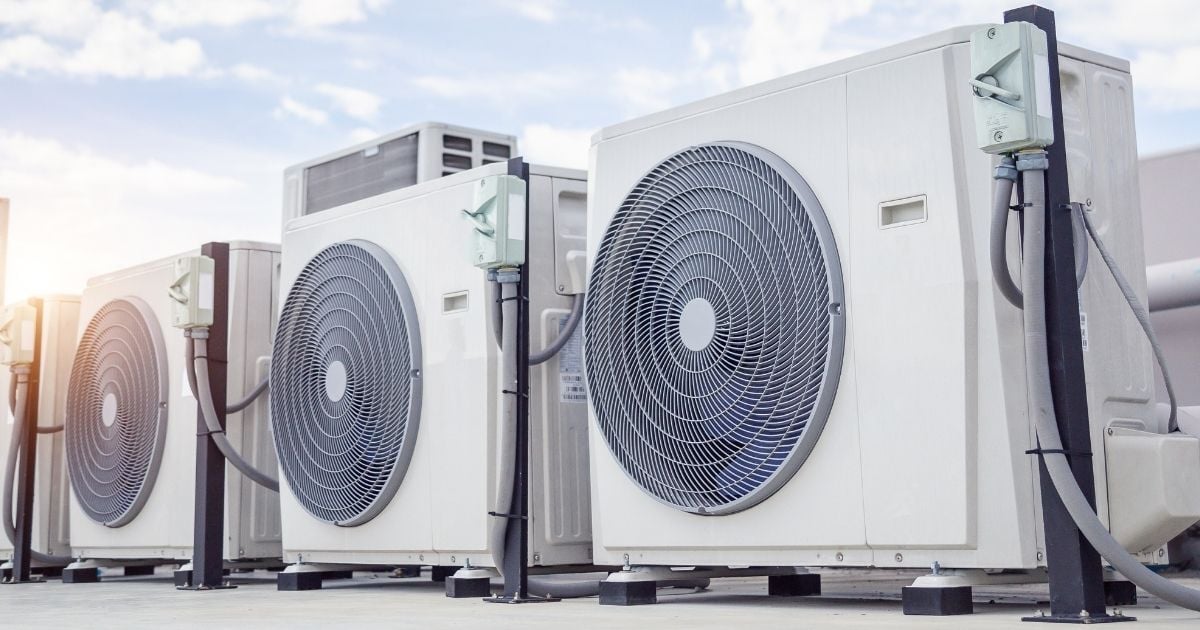
HVAC equipment regulates indoor environments by providing thermal comfort, managing humidity, and improving air quality in residential and commercial buildings. This equipment includes air conditioner condensers, heat pumps, furnaces, air handlers, rooftop units, split systems, chillers, and variable refrigerant flow systems.
The manufacturing of HVAC equipment is highly regulated by industry standards that have been in place for many years, leading to limited product differentiation. Demand for HVAC equipment is relatively stable due to its frequency of use in residential and commercial properties and its life cycle, which necessitates periodic maintenance and replacement.
HVAC equipment is essential and expensive. Its costs often require consumers and businesses to take out financing to afford it. Prices have skyrocketed since the beginning of 2020—the year that defendants’ alleged price fixing conspiracy began. At that time, defendants quietly shifted from competing on price to moving in lockstep. In rapid succession, HVAC industry executives used public earnings calls to emphasize production cuts, “disciplined” pricing, and a shared commitment not to compete by lowering prices.
Behind the scenes, through frequent and repeated members-only confidential meetings, information sharing, communications, and public signaling, defendants allegedly drove the prices of HVAC Equipment to historic levels. In fact, during the Class period, the Air-Conditioning, Refrigeration, and Forced Air Heating Equipment Manufacturing Producer Price Index rose faster than both the Consumer Price Index and the Major Household Appliance Manufacturing PPI.